
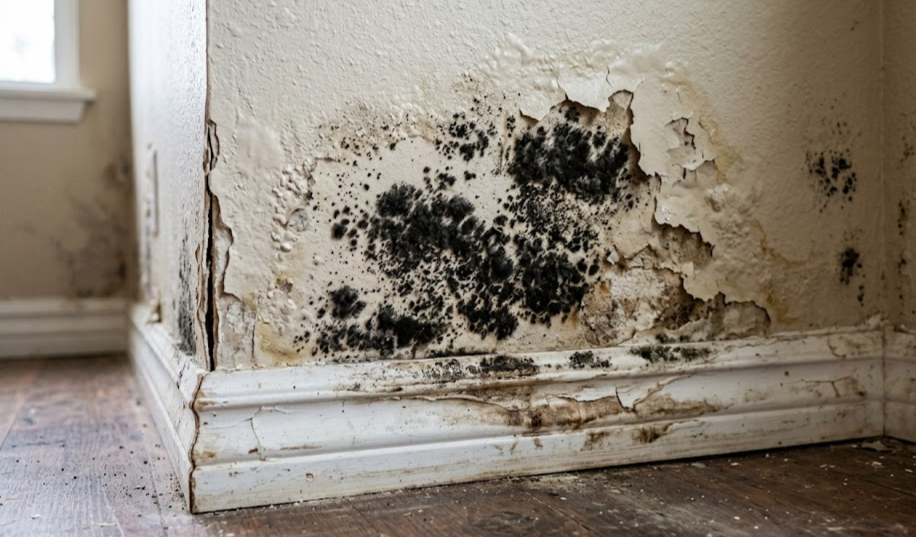
Water damage strikes homes and businesses in Boise unexpectedly, often from burst pipes, heavy rains, or appliance malfunctions. When left unchecked, it creates the perfect environment for mold to thrive, leading to health risks like respiratory issues and structural damage that can cost thousands to repair. At Boise Water Damage, we’ve responded to countless cases across the Treasure Valley, witnessing firsthand how quickly mold spreads in our humid post-rain climate. This guide equips you with essential knowledge on mold removal after water damage in Boise, from identifying early signs to safe remediation steps. Whether you’re dealing with a recent flood in your East End basement or lingering moisture in Warm Springs Mesa, understanding the process can prevent escalation. We’ll cover why prompt action matters, practical how-tos tailored to local conditions, and pitfalls to dodge, empowering you to safeguard your property effectively.
Understanding Mold Growth After Water Damage in Boise
Mold is a type of fungus that flourishes in damp, warm environments, and water damage provides the ideal breeding ground. In Boise, where seasonal snowmelt and summer storms are common, even minor leaks can lead to widespread mold issues if not addressed swiftly. The “what” of mold removal after water damage involves not just visible cleanup but also addressing hidden moisture sources to prevent recurrence. Mold spores are everywhere, but they only become problematic when water exposure exceeds 48 hours, allowing colonies to form on walls, ceilings, and HVAC systems.
Why does this matter so much in our area? Boise’s clay-heavy soils and variable weather exacerbate water intrusion, making homes with older foundations particularly vulnerable. According to the EPA, mold can trigger allergies, asthma, and more severe reactions in sensitive individuals. Remediation requires drying the area completely, removing contaminated materials, and using antimicrobial treatments.
Here’s a breakdown of key factors:
- Types of Mold: Common varieties post-water damage include Aspergillus and Stachybotrys (black mold), which release mycotoxins harmful to health.
- Growth Timeline: Visible mold appears in 24-48 hours; by day 7, it can cover large surfaces and infiltrate porous materials like drywall.
- Health Impacts: Symptoms range from itchy eyes and coughing to chronic fatigue; children and the elderly are at higher risk.
- Structural Damage: Mold weakens wood framing and insulation, potentially leading to costly repairs exceeding $5,000 on average.
- Local Regulations: Idaho follows IICRC standards for restoration, emphasizing professional assessment for areas over 10 square feet.
In our experience at Boise Water Damage, we’ve seen mold hidden behind baseboards in Parkcenter homes go undetected for months, causing extensive air quality issues. Early detection via moisture meters and air sampling is crucial. For instance, after a pipe burst, water can seep into subfloors, fostering mold that affects the entire living space. Professional teams use HEPA vacuums and dehumidifiers to remove spores safely, ensuring no cross-contamination. Homeowners often underestimate the need for containment barriers, like plastic sheeting, to isolate affected zones during cleanup. Remember, DIY attempts without proper PPE can spread spores further, worsening the problem. By grasping these elements, you position yourself to act decisively, minimizing both health hazards and financial burdens in Boise’s unique environment.
Step-by-Step Guide to Mold Removal After Water Damage in Boise
Tackling mold removal after water damage requires a systematic approach, especially considering Boise’s dry summers that mask underlying humidity from prior floods. Start by ensuring safety: wear N95 masks, gloves, and goggles to avoid spore inhalation. The goal is thorough drying, removal, and prevention, tailored to local housing like ranch-style homes with crawl spaces prone to moisture buildup.
- Assess the Damage: Inspect for water sources and mold signs-musty odors, discoloration, or bubbling paint. Use a moisture meter to check levels above 15%; if extensive, call professionals immediately.
- Stop the Water Source: Fix leaks promptly. For example, if it’s a pipe leak detection & cleanup issue, shut off valves and address plumbing to prevent reoccurrence.
- Dry the Area: Use fans, dehumidifiers, and open windows. In Boise’s variable climate, aim for under 50% humidity within 24-48 hours to halt growth.
- Remove Contaminated Materials: Cut out affected drywall (at least 12 inches beyond visible mold) and discard porous items like carpets. Non-porous surfaces can be scrubbed with detergent and bleach solutions (1 cup bleach per gallon of water).
- Clean and Disinfect: Apply EPA-approved fungicides. HEPA vacuum all surfaces to capture microscopic spores.
- Restore and Prevent: Repair with mold-resistant materials and improve ventilation, such as adding exhaust fans in bathrooms.
Boise-specific factors play a role: our alkaline water can leave mineral residues that trap moisture, and regulations require permits for major restorations. In areas like Riverland East, where homes border the Boise River, flood risks heighten the need for elevated sump pumps.
Pro Tip: An insider secret for Boise residents-test your home’s air quality post-removal using affordable kits available at local hardware stores. If black mold is suspected, avoid disturbing it yourself; our team at Boise Water Damage uses infrared cameras to detect hidden growth behind walls, preventing costly surprises.
This process, when done right, restores your space safely. For complex cases involving appliance leak cleanup, integrating professional tools ensures compliance and longevity.
Common Mistakes to Avoid in Mold Removal After Water Damage
Homeowners in Boise often rush into mold removal after water damage with good intentions but fall into traps that amplify problems. One frequent error is ignoring the root cause, like failing to repair a leaky roof before cleanup. This allows moisture to return, rendering efforts futile and leading to repeated infestations that double repair costs—potentially $10,000 or more for structural fixes.
Another pitfall: using household cleaners like vinegar alone, which may kill surface mold but misses airborne spores, risking health issues such as sinus infections. Without containment, spores spread to unaffected areas, turning a small problem into a whole-home crisis. In Boise’s older neighborhoods, skipping professional inspections overlooks HVAC contamination, where mold circulates throughout the property, exacerbating allergies.
DIY without proper equipment is risky too; bleach on porous surfaces can cause toxic fumes or incomplete kills, leading to liability if health complaints arise. Financially, inadequate removal might void insurance claims, as carriers like State Farm require certified remediation proof. Safety-wise, disturbing large colonies without PPE exposes families to mycotoxins, especially vulnerable groups in South Cloverdale family homes.
Finally, delaying action past 72 hours lets mold embed deeply, complicating extraction and increasing black mold risks. By avoiding these, you save time, money, and peace of mind—always prioritize thoroughness over speed.
Conclusion
Mold removal after water damage in Boise demands quick, informed action to protect health and property. Key takeaways include assessing damage promptly, drying thoroughly, removing contaminants safely, and preventing future issues with local adaptations like better drainage for our rainy springs. Armed with this knowledge, you can handle minor cases confidently, but remember, extensive damage benefits from expert intervention to ensure complete eradication.
At Boise Water Damage, our certified team specializes in comprehensive restoration, drawing on years of serving the Treasure Valley. If you’d rather leave it to professionals, we offer rapid response for peace of mind. For more about our commitment, visit our About Us page. Need help with mold removal after water damage in Boise? Call Boise Water Damage today at (986) 205-4048.
Leave a Reply