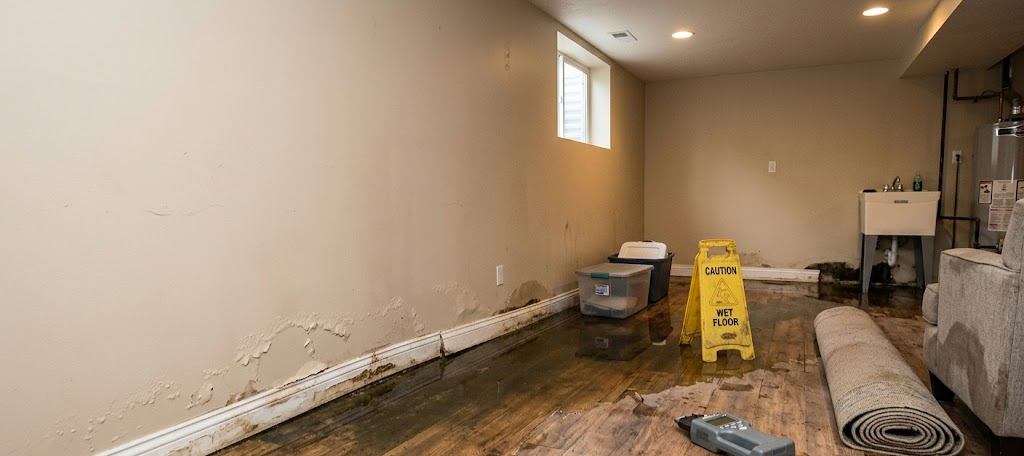
Imagine returning home after a long day in Boise only to be met with the overwhelming stench and mess of sewage backing up into your living spaces. This nightmare scenario is more common than you might think in our community, especially with older plumbing systems and heavy rains that characterize Idaho’s variable weather. At Boise Water Damage, we’ve handled countless cases of sewage backup cleanup in Boise, Idaho, helping families and businesses restore their properties quickly and safely. In this guide, we’ll walk you through everything you need to know about identifying, addressing, and preventing sewage backups, empowering you to take control before the situation escalates. Whether it’s a minor overflow or a major flood, understanding the process can save you time, money, and stress. Our team has seen it all-from hidden leaks in Quail Ridge homes to widespread issues in Hidden Springs neighborhoods-and we’re here to share proven solutions tailored to Boise’s unique environment.
Understanding Sewage Backup Cleanup in Boise, Idaho
Sewage backups occur when wastewater from toilets, drains, or sewers reverses flow into your home or business, often due to clogs, tree root intrusion, or municipal line failures. In Boise, Idaho, this problem is exacerbated by the region’s clay-heavy soils that can shift during freeze-thaw cycles, putting pressure on underground pipes. Unlike clean water damage, sewage is classified as a Category 3 hazard by the IICRC (Institute of Inspection, Cleaning and Restoration Certification), containing bacteria, viruses, fungi, and parasites that pose serious health risks if not handled properly.
The cleanup process involves several critical steps to ensure safety and thorough restoration. First, professionals shut off the water supply and evacuate the area to prevent exposure. Then, they remove standing water using powerful pumps and extractors, followed by antimicrobial treatments to neutralize pathogens. Drying is essential to prevent mold growth, which thrives in Boise’s humid basements during spring melts.
Here’s a breakdown of key elements in sewage backup cleanup:
- Health Hazards: Raw sewage can lead to gastrointestinal illnesses, skin infections, and respiratory issues. The EPA warns that even brief exposure requires immediate medical attention.
- Structural Damage: Prolonged exposure weakens floors, walls, and foundations, leading to costly repairs if not addressed promptly.
- Environmental Factors in Boise: Our area’s alkaline water can corrode pipes faster, increasing backup frequency. Local regulations, like those from the City of Boise, mandate proper disposal of contaminated materials to protect the Boise River watershed.
- Restoration Timeline: Minor backups might take 24-48 hours, while severe cases require days, including content packing and document drying & restoration.
In our experience at Boise Water Damage, early intervention is key—delaying cleanup by even a day can multiply repair costs by three times. We’ve restored properties in areas like Mesa View, where quick response prevented long-term mold infestations. Understanding these ‘what’ and ‘why’ aspects equips you to recognize when DIY efforts fall short and professional help is necessary.
Step-by-Step Guide to Handling Sewage Backup Cleanup in Boise
When sewage backs up in your Boise property, time is of the essence. Start by ensuring safety: Do not enter the affected area without protective gear like gloves, boots, goggles, and an N95 mask, as contaminants can aerosolize. If the backup is extensive, evacuate and call professionals immediately-amateurs risk spreading biohazards.
For initial response, isolate the area by closing doors and turning off HVAC systems to contain odors and spores. Document the damage with photos for insurance claims, noting details like the time of discovery and visible sewage levels.
Local Boise factors play a big role. Our semi-arid climate means backups often stem from summer storms overwhelming storm drains, while winter pipe freezes in neighborhoods like Sun Rise Rim can cause bursts similar to burst pipe damage cleanup. Idaho building codes require elevated sump pumps in flood-prone basements, so check if your home complies.
Actionable steps for cleanup include:
- Remove Water: Use wet/dry vacuums for small amounts; for larger volumes, rent industrial pumps from local suppliers.
- Clean Surfaces: Apply EPA-approved disinfectants like bleach solutions (1 cup per gallon of water) to hard surfaces, but avoid porous materials like carpets, which must be discarded.
- Dry Thoroughly: Employ dehumidifiers and air movers for 72+ hours. In Boise’s dry air, this speeds recovery but monitor for secondary water damage.
- Sanitize Hidden Areas: Focus on crawlspace cleaning & sanitation to prevent recurrence, especially in older ranch-style homes common here.
- Restore and Prevent: Replace damaged drywall and install backflow valves, which are recommended by Boise Public Works for properties near the river.
Pro Tip: An insider secret from our team-test your sump pump annually before Idaho’s rainy season. Many backups in Franklin could be avoided with a simple $10 battery replacement, saving thousands in cleanup costs.
By following these steps, you can mitigate damage effectively while adhering to local regulations. For complex cases involving structural elements, consulting experts ensures compliance and longevity.
Common Mistakes Homeowners Make During Sewage Backup Cleanup in Boise
One of the biggest pitfalls is attempting full DIY cleanup without proper equipment or knowledge, leading to incomplete decontamination. Homeowners often use household cleaners instead of industrial antimicrobials, allowing bacteria to linger and cause ongoing health issues- we’ve seen cases where families experienced repeated illnesses post-cleanup.
Another error is ignoring hidden moisture in walls or subfloors, which fosters mold growth in Boise’s variable humidity. This can escalate into demolition of fire-damaged areas if not caught early, though unrelated to fire, the principle of thorough inspection applies. Financially, skipping professional assessment voids insurance coverage, as policies require certified restorers for Category 3 incidents.
Overlooking local regulations is risky too. Disposing of sewage-contaminated waste in regular trash violates Ada County codes, potentially resulting in fines up to $1,000. Additionally, using fans to ‘air out’ the space without drying first spreads contaminants, turning a localized problem into a whole-home hazard.
Safety-wise, not wearing PPE exposes you to pathogens like E. coli, common in Idaho’s agricultural runoff-influenced sewage. In our view, these mistakes not only amplify repair costs-often doubling them-but also endanger your family’s well-being. Learning from others’ errors positions you to handle backups smarter.
Wrapping Up: Safeguard Your Boise Property from Sewage Backups
Sewage backups in Boise, Idaho, demand swift, informed action to protect health, property, and finances. We’ve covered the essentials: recognizing the dangers, executing proper cleanup, avoiding pitfalls, and incorporating local considerations like weather and codes. By staying proactive—through regular maintenance and quick response-you can minimize disruptions and preserve your home’s value.
If this feels overwhelming or your situation is severe, remember that professionals handle the heavy lifting. At Boise Water Damage, our certified team specializes in sewage backup cleanup tailored to Idaho’s challenges. With years of local experience, we restore peace of mind efficiently. Learn more about our commitment on our About Us page. Need help with Sewage backup cleanup Boise Idaho in Boise? Call Boise Water Damage today at (986) 205-4048.
Leave a Reply